
From traditional craftsmanship to everyday expression, Chinese collecting culture is entering a new chapter.
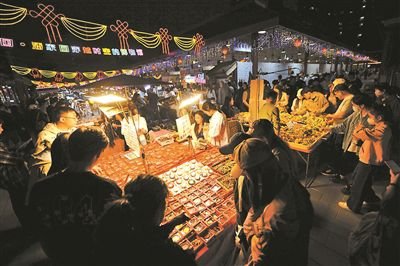
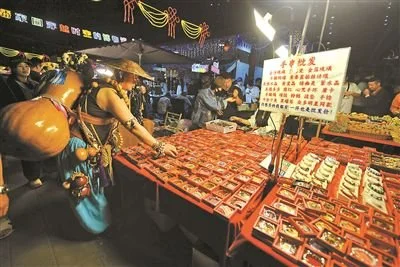
For generations, wenwan (文玩) has been associated with experienced collectors, traditional craftsmanship, and a world of knowledge passed down through personal connections. Walk through an old collectibles market, and you might imagine a familiar scene: seasoned enthusiasts examining walnuts, comparing beads, discussing jade, or carefully handling a treasured piece of wood.
But that image is changing.
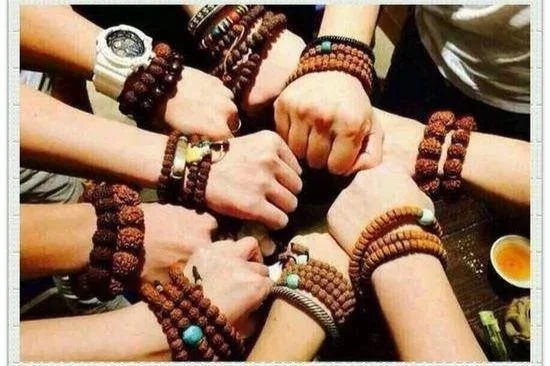
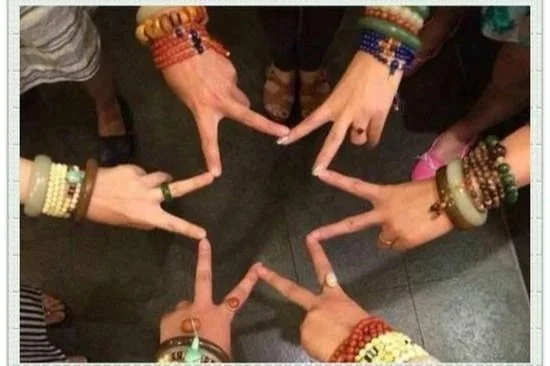
Across China, a younger generation is discovering the world of wenwan. What was once perceived as a niche interest among older collectors is becoming increasingly visible among young adults, students, designers, and people interested in personal style and traditional culture.
Wenwan is no longer simply about collecting old objects. It is becoming a way to express individuality, appreciate craftsmanship, and reconnect with the tactile world.
A New Generation, A Different Perspective
One of the most noticeable changes in China's collecting culture is the growing participation of younger enthusiasts.
On social media platforms such as Xiaohongshu and Douyin, young people share their collections, document the process of polishing and maintaining objects, and exchange knowledge about different materials and techniques.
The growing popularity of topics such as hand-strung beads, walnut collecting, jade accessories, and traditional objects reflects a broader shift in how younger consumers approach collecting.
A 2024 report by Vogue highlighted how younger Chinese consumers were reshaping the jade market. Some were entering the market through more accessible pieces, while others were developing serious knowledge of jade and even building businesses around it.
This is an important distinction: young collectors are not necessarily replacing traditional collectors. They are expanding the community and bringing new perspectives into it.
From Status to Personal Expression
Traditionally, certain areas of wenwan culture placed considerable emphasis on material quality, rarity, provenance, and market value. Knowledge of these details often determined a collector's standing within the community.
For younger enthusiasts, however, the appeal can be much more personal.
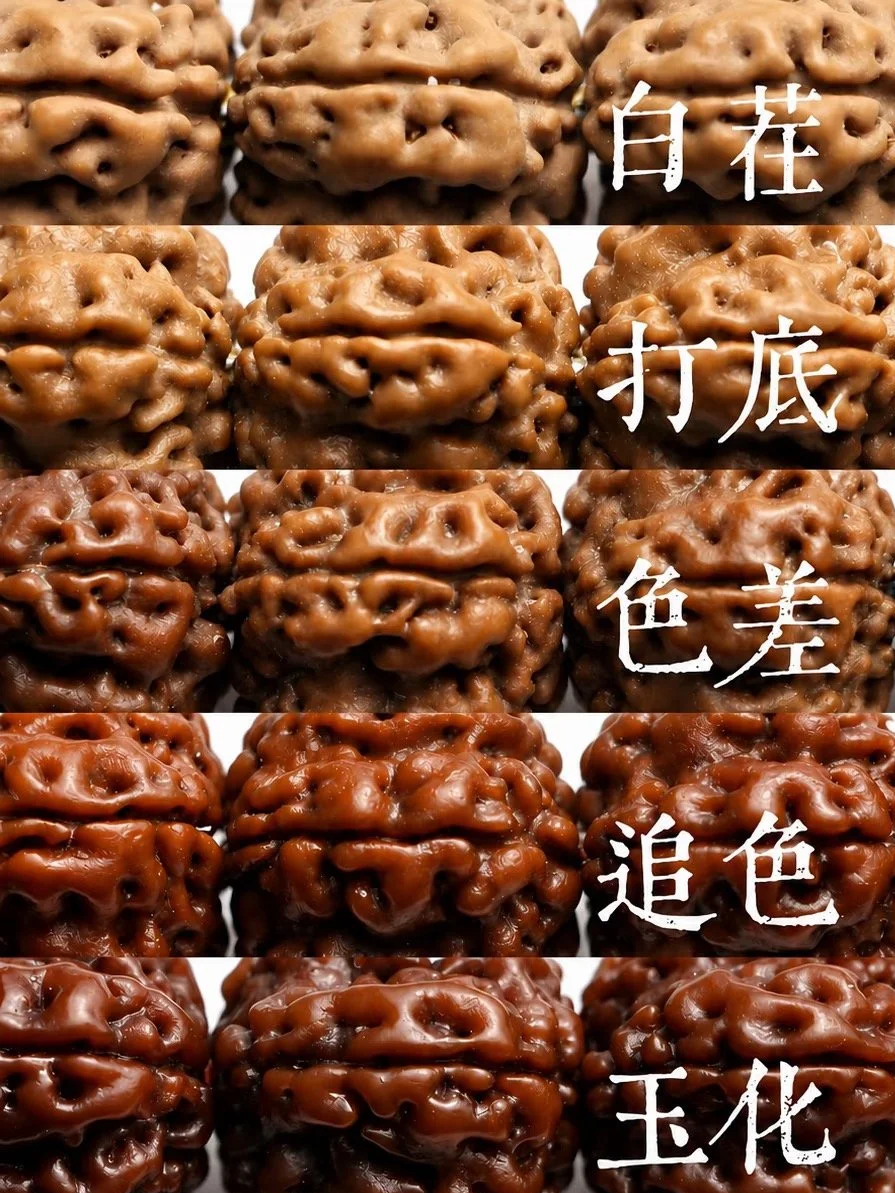
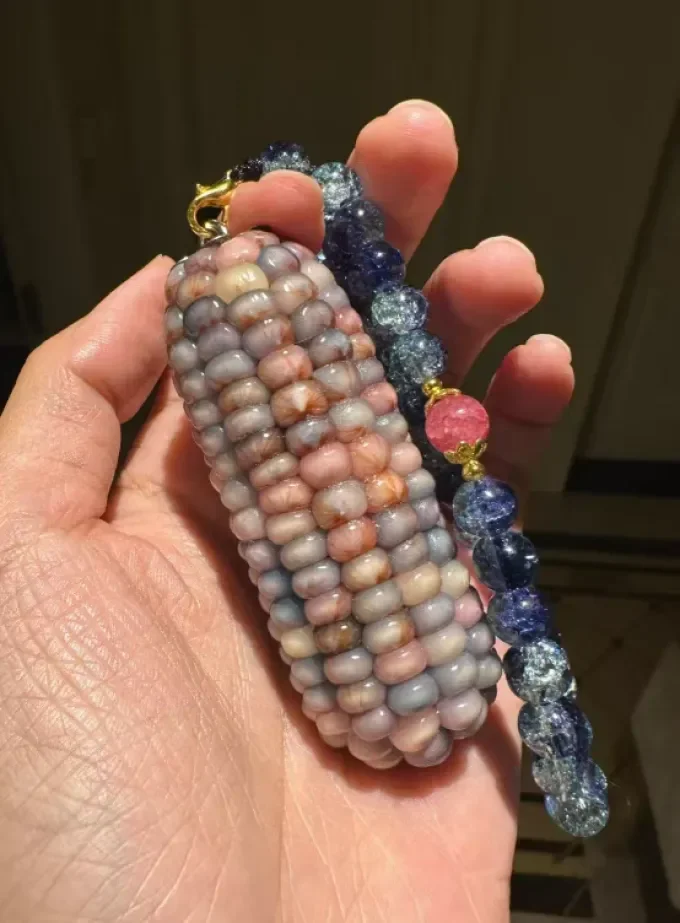
A simple wooden bracelet, a pair of walnut specimens, or a small handmade carving may be meaningful not because of its price, but because of its texture, shape, story, or the experience of owning and caring for it.
The emphasis is gradually shifting from what an object is worth to what it means to the person who collects it.
This does not mean that quality and expertise have become less important. Rather, personal taste and individual interpretation are becoming equally relevant.
In this new environment, collecting can be both an intellectual pursuit and a form of self-expression.
The Appeal of Slowing Down
There is another reason traditional objects resonate with younger generations: the experience of handling them.
In a world dominated by screens, notifications, and increasingly fast-paced routines, the repetitive, tactile nature of traditional collecting offers a different kind of engagement.
Turning a pair of walnuts in one's hands, polishing a wooden object, arranging a collection, or simply observing the gradual changes in a material can become a quiet daily ritual.
For some, it is relaxing. For others, it is a way to develop patience and attention to detail.
The process itself becomes part of the pleasure.
This is particularly interesting because it connects traditional collecting with a contemporary desire for slower, more intentional experiences. The object is not merely something to display. It is something to interact with over time.
Social Media Is Opening the Door
The internet has also changed how people discover and learn about wenwan.
In the past, entering the collecting world often depended on visiting specialist markets, knowing experienced dealers, or learning through personal relationships.
Today, a beginner can encounter a detailed introduction to Chinese walnuts, jade, bamboo carving, or traditional woodwork through a short video.
Social media has made specialist knowledge more accessible and has allowed collectors from different backgrounds to share their experiences.
It has also changed the visual language of collecting. Carefully photographed objects, close-up videos, restoration processes, and demonstrations of traditional techniques have made wenwan easier to appreciate, even for people who have never visited a traditional collectibles market.
However, accessibility also comes with challenges. Popularity can encourage imitation, exaggerated claims, and an emphasis on appearance over authenticity. Learning to distinguish craftsmanship from marketing remains an essential part of becoming a thoughtful collector.
Tradition Meets Contemporary Design
Perhaps the most exciting development is the growing intersection between traditional materials and contemporary design.
Younger designers and independent creators are finding new ways to work with materials such as wood, bamboo, jade, stone, metal, and natural seeds.
Some reinterpret traditional forms through minimalist aesthetics. Others combine historical techniques with modern objects, creating pieces that feel relevant to contemporary interiors, fashion, and everyday life.
This creative exchange gives traditional craftsmanship new possibilities.
It also challenges the idea that traditional collecting must remain visually or culturally fixed in the past. Heritage can be respected without being frozen in time.
The next generation may not collect in exactly the same way as the generations before them. But their interest can help ensure that traditional materials, techniques, and knowledge continue to evolve.
A Market Becoming More Open
Markets such as Beijing's Panjiayuan are an interesting reflection of this transition.
For decades, Panjiayuan has been a gathering place for collectors, dealers, craftspeople, and enthusiasts. Today, it also attracts younger visitors who come to explore, photograph, learn, and experience the atmosphere of the market.
The growing visibility of younger collectors is part of a wider transformation in China's cultural consumption. Traditional objects are increasingly being discovered outside their original specialist circles.
Yet the future of wenwan should not be measured by popularity alone.
A trend may bring people into the market, but genuine appreciation takes time. Understanding materials, recognizing quality, respecting craftsmanship, and learning the stories behind objects are what turn casual interest into lasting engagement.
The Future of Collecting Is Not Defined by Age
The renewed interest in wenwan among younger generations is not simply a passing fashion. It represents an opportunity to reconsider how traditional collecting culture can exist in contemporary society.
Some young people may begin with an inexpensive bracelet and eventually develop an interest in natural materials. Others may discover jade through contemporary jewelry, or become fascinated by the craftsmanship behind a carved wooden object.
Their starting points may be different, but curiosity is often the common thread.
Tradition does not survive by remaining untouched. It survives when people continue to find meaning in it, engage with it, and pass their knowledge forward.
Perhaps the most meaningful change in today's wenwan culture is not that younger people are beginning to collect traditional objects.
It is that they are beginning to make the tradition their own.
PJYLive — Collecting, considered more deeply.
We explore Chinese collectibles, craftsmanship, and the people and traditions behind them. Because every object has a story, and every generation discovers it in its own way.